What Is RAG? Retrieval-Augmented Generation Explained for Business Applications
RAG lets AI answer questions from your own documents and data. Here is how it works, where it helps, and what to get right.
Read the articleAI Development
New products and internal tools where AI is central to the value — designed and built by software engineers who treat the model as one component in a reliable, secure system.
Multi-tenant SaaS products with AI at the core: authentication, billing, usage limits and per-tenant data isolation included.
Domain assistants that answer from your knowledge base, draft content and guide users through complex tasks.
Agents that plan multi-step tasks and act through your APIs, with approval steps and full audit trails.
Internal tools that automate document-heavy or repetitive processes, with human review built in.
Semantic and hybrid search over large content collections with cited answers.
Natural-language questions over business data, with generated queries checked and constrained by your backend.
Define the user, the task, and what "good" looks like with real examples.
A focused prototype that tests model quality on your data.
Production foundations: auth, tenants, billing, monitoring.
Improve with usage data, evaluation results and cost metrics.
From the blog
RAG lets AI answer questions from your own documents and data. Here is how it works, where it helps, and what to get right.
Read the article
What AI agents can realistically do in a business today, how to design them safely, and where to start.
Read the article
Fifteen practical checks — from data handling to cost control and fallbacks — before you put an LLM feature in front of real users.
Read the articleAI integration adds AI features to software you already have. AI application development means building a new product or tool where AI is the core — for example an AI-powered SaaS, an internal assistant, or an agent-driven workflow.
No. We build applications on established model APIs such as OpenAI, Anthropic Claude and Azure OpenAI, combined with your data through retrieval and tool use. We do not claim proprietary models.
Yes. We usually recommend a narrowly scoped first version that proves the AI capability with real users, built on a SaaS foundation — authentication, tenants, billing — that can grow with the product.
Typically a Next.js or React front end, an ASP.NET Core or Node.js backend, PostgreSQL with vector search where needed, and LLM APIs — deployed on Azure or AWS.
Add LLM features, RAG search and AI automation to software you already run.
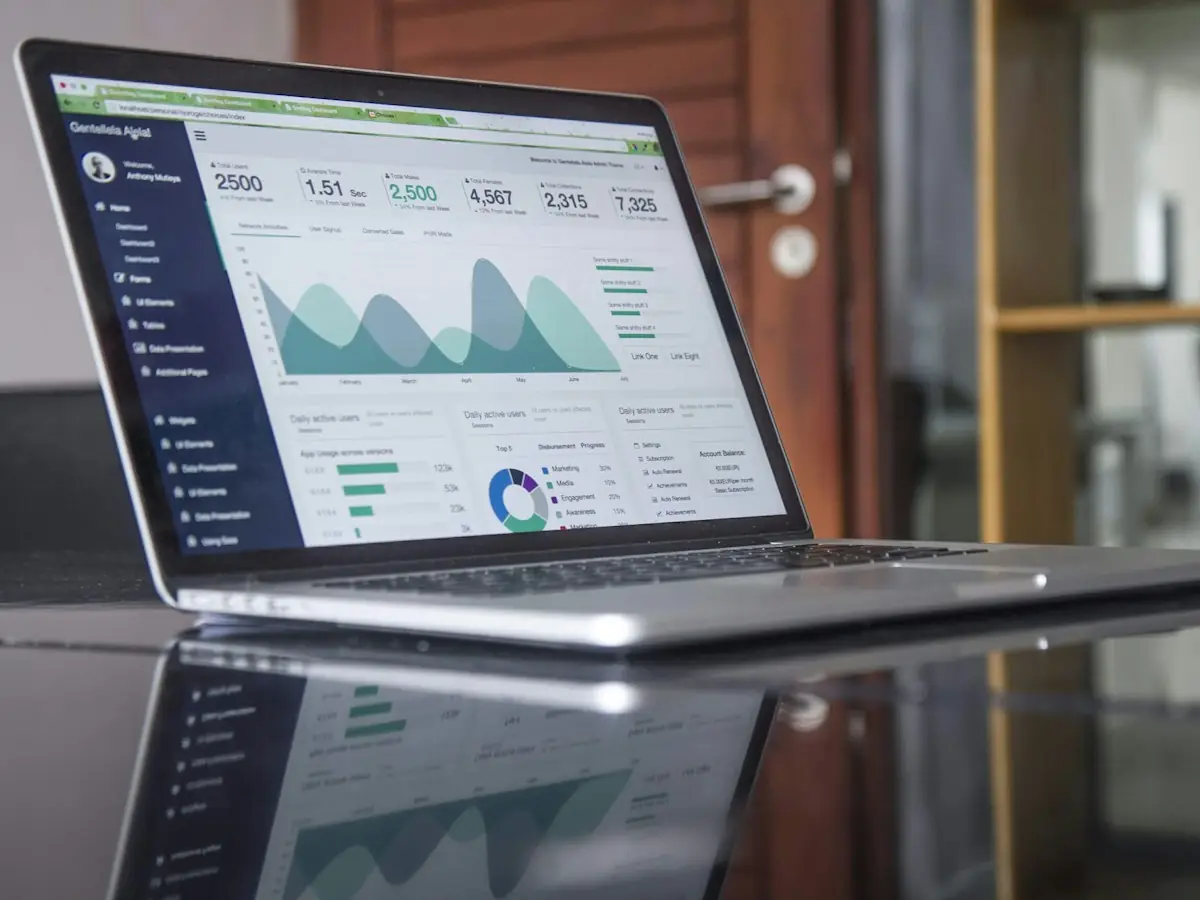
Multi-tenant SaaS products from architecture through production.
REST APIs, integrations and backend services that other systems depend on.
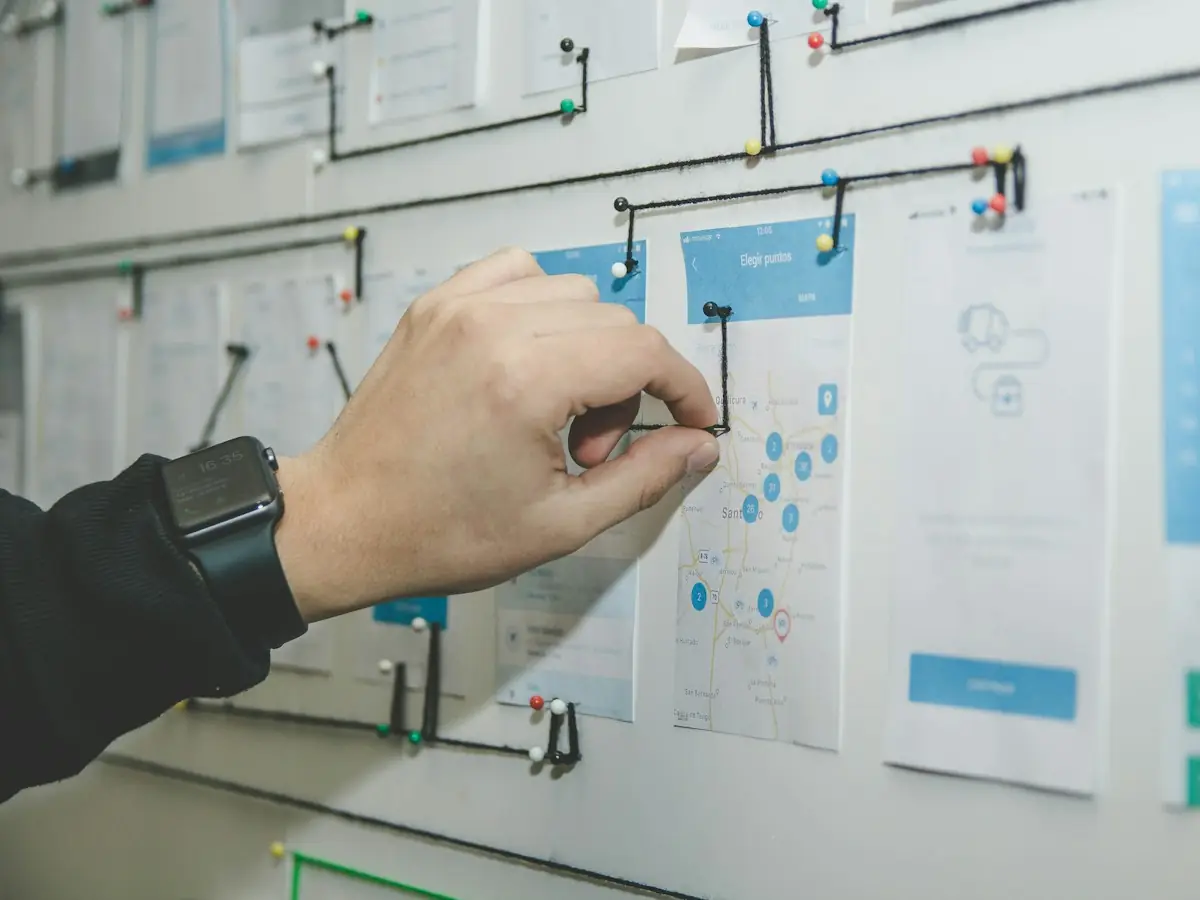
Architecture reviews, technical direction and fractional architect support.

ASP.NET Core APIs, SaaS platforms and enterprise applications on modern .NET.
Azure and AWS applications, containers and CI/CD pipelines.
We can help you scope a first version that proves the core AI capability before you invest in the full product.